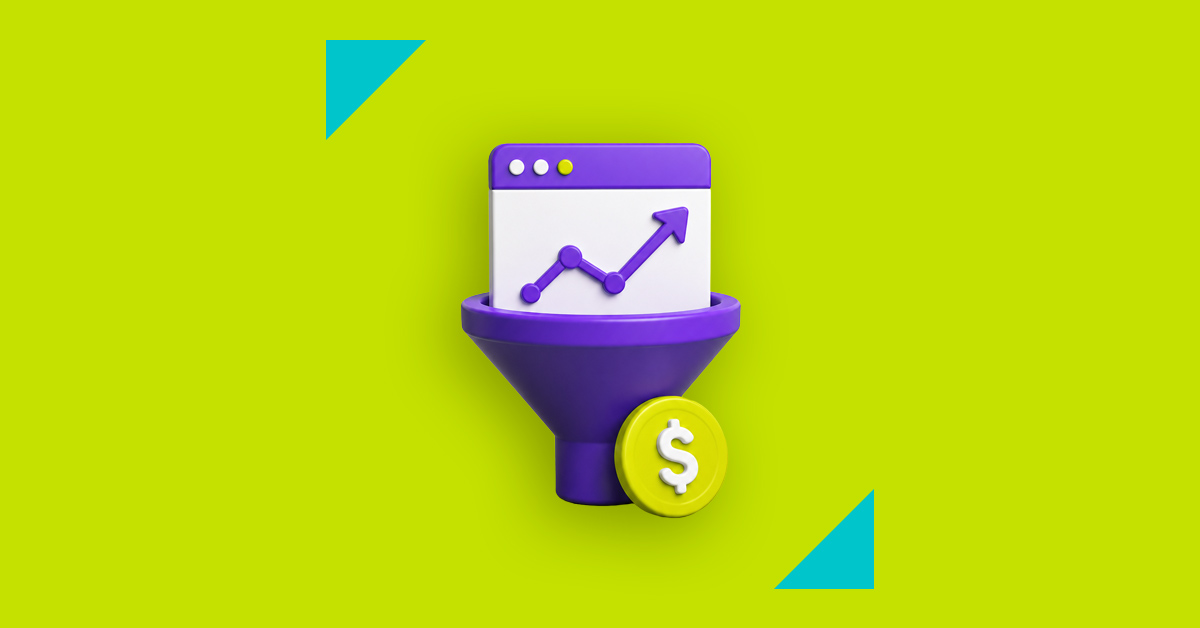
CRO, or conversion rate optimisation, is the process of improving your website so more visitors take the action you want them to. ROI, or return on investment, is the value you get back from the money you put into marketing, design, content, development, SEO, paid ads, and sales activity. The two are linked. A business can spend more money on traffic and still lose money if the website cannot convert that traffic.
This is why website CRO and website ROI should be treated as business issues, not just design issues. A beautiful website can still perform badly. A simple website can generate strong leads if the message is clear, the offer is relevant, and the path to action is easy.
Start With the Right Conversion Goal
The first step is to define what a conversion means for your business. For an online store, it may be a completed purchase. For a service business, it may be a quote request, consultation booking, phone call, WhatsApp message, newsletter sign-up, or demo request.
Do not measure every action with the same weight. A blog click is useful, but it is not the same as a lead form submission. A page view shows interest, but it does not prove intent. When every number is treated as success, the team cannot see what is really driving revenue.
A better approach is to map the website around primary and secondary actions. The primary action is the one closest to revenue. The secondary action keeps the user moving when they are not ready to buy yet. For example, a business selling HR software may want users to book a demo. That is the primary conversion. A downloadable guide on payroll compliance can be the secondary conversion. Both matter, but they must be measured differently.
Fix the Message Before You Fix the Button
Many CRO audits jump straight to button colours, pop-ups, and page layouts. Those things matter, but they rarely fix a weak offer. If users do not understand what you do, who it is for, and why it matters, the call to action will not save the page.
Your homepage and landing pages should answer three questions quickly. What problem do you solve? Who do you solve it for? What should the user do next?
This sounds simple, but many websites hide the answer under vague lines like “we help brands grow” or “unlock your potential.” These phrases feel safe, but they do not help a visitor make a decision. A stronger message is more direct: “We help e-commerce brands reduce abandoned carts through faster checkout flows and clearer product pages.” It tells the user what you do and why it matters.
Good website conversion rate optimisation starts with clarity. The visitor should not work hard to understand your value.
Improve Website Speed and User Experience
Speed affects both CRO and SEO. Google’s Core Web Vitals focus on loading performance, interactivity, and visual stability. In simple terms, your site should load quickly, respond fast when users tap or click, and avoid layout shifts that make the page jump while someone is reading or trying to press a button.
A slow website creates doubt. It makes the business feel less reliable, even when the product is good. This is especially important in South Africa, where users may be browsing on mobile data or older devices, and even face unstable network conditions. A heavy website with large images, too many scripts, and slow hosting can quietly damage website ROI.
Start with the pages that carry the most commercial value. These are often your homepage, service pages, product pages, pricing page, checkout page, contact page, and high-traffic blog posts. Compress large images, remove unused plugins, review tracking scripts, and test the site on mobile. A page that works well on your laptop may feel slow and awkward on a customer’s phone.
Make the User Journey Easier
A high-converting website removes friction. Friction is anything that makes the user pause, doubt, search, repeat, or abandon the process. It can be a confusing menu, a hidden price, too many form fields, poor product information, vague delivery details, or a checkout process that asks for unnecessary information.
For service businesses, friction often appears in the contact process. A user wants to ask a question, but the website only has a long form. Another user wants pricing, but the pricing page says “contact us” with no guidance. Someone else wants to know whether you serve their area, but the website does not say.
For e-commerce websites, friction often appears near checkout. Unexpected costs, unclear delivery timelines, forced account creation, and limited payment options can push people away at the final step. Cart abandonment is common, so small improvements in checkout optimisation can make a real difference to revenue.
Use Forms That Respect the User’s Time
Forms are one of the easiest CRO wins. Many businesses ask for too much information too soon. Every field should earn its place. If the sales team does not use the information, remove it. If the detail can be collected later, move it to a follow-up step.
A lead generation website should make the first step feel easy. Asking for name, e-mail, phone number, company name, budget, project scope, deadline, job title, company size, and full message in one form can feel like work. A better approach is to collect the essentials first and qualify the lead later.
For example, a marketing agency can ask for a name, e-mail, website, and main challenge. Once the lead is captured, the team can request more details during the discovery call. This reduces effort and often improves form completion.
Clear microcopy also helps. Instead of saying “submit,” use a button that explains the outcome, such as “Request a quote,” “Book a call,” or “Get my website audit.” People are more likely to click when they know what happens next.
Build Trust Where Decisions Happen
Trust should not only sit on the About page. It should appear at the point where the user is making a decision. If someone is on a service page, show relevant proof. If someone is near checkout, show payment security, delivery information, return policy, customer reviews, and support options there.
Trust signals can include case studies, testimonials, client logos, industry experience, founder story, media features, refund terms, guarantees, awards, clear contact details, and real team photos. The point is not to decorate the page. The point is to reduce risk in the mind of the buyer.
A useful CRO question is: “What would stop this person from taking action right now?” If the answer is price, show value. If the answer is fear, show proof. If the answer is confusing, explain the process. If the answer is timing, offer a lower-pressure next step.
Connect CRO With Revenue, Not Vanity Metrics
CRO should not only improve clicks. It should improve commercial outcomes. A higher conversion rate is not useful if it brings in poor-quality leads, low-value customers, or orders that cost too much to fulfil.
This is where website ROI becomes important. Track where leads and sales come from, but also track what happens after the conversion. Which pages bring the strongest leads? Which campaigns bring customers with better lifetime value? Which forms bring enquiries that actually close? Which traffic sources look good in analytics but weak in sales?
A business may find that one landing page gets fewer leads but better customers. Another page may get many enquiries, but waste the sales team’s time. CRO should help you improve both volume and quality.
Align SEO, Paid Ads, and CRO
SEO brings people to the website. Paid ads bring targeted traffic faster. CRO turns that attention into value. When these parts work separately, money leaks.
For example, a Google Ads campaign may promise “affordable website design for small businesses,” but the landing page talks about digital transformation as a whole. The user feels a mismatch and leaves. A blog post may rank for “how to improve website ROI,” but the page has no clear next step for a reader who wants help. Traffic is earned, but the opportunity is wasted.
Every important page should match the intent behind the visit. A person searching for “website CRO services” needs proof, process, pricing guidance, and a clear action. A person searching for “how to increase landing page conversions” may need education first, then a softer next step, like a checklist, audit, or consultation.
Do You Need Business SEO Services?
Learn more about SEO services for businesses in South Africa.