Finding an effective CRM can elevate your business to new heights. When you are looking into finding software for the business, you must start with the business problem you’re facing. Every customer interaction creates an opportunity for data. However, the problem for many businesses is that this data sits in different places.
You could find that your sales teams use spreadsheets, while marketing uses e-mail platforms. On the other hand, customer support relies on inboxes. When all this customer information is scattered, businesses lose opportunities without realising it.
When there isn’t a well-thought-out CRM tool, leads go cold because nobody follows up, existing customers receive irrelevant offers, and sales forecasts become inaccurate. Additionally, customer service slows down because staff cannot access previous conversations.
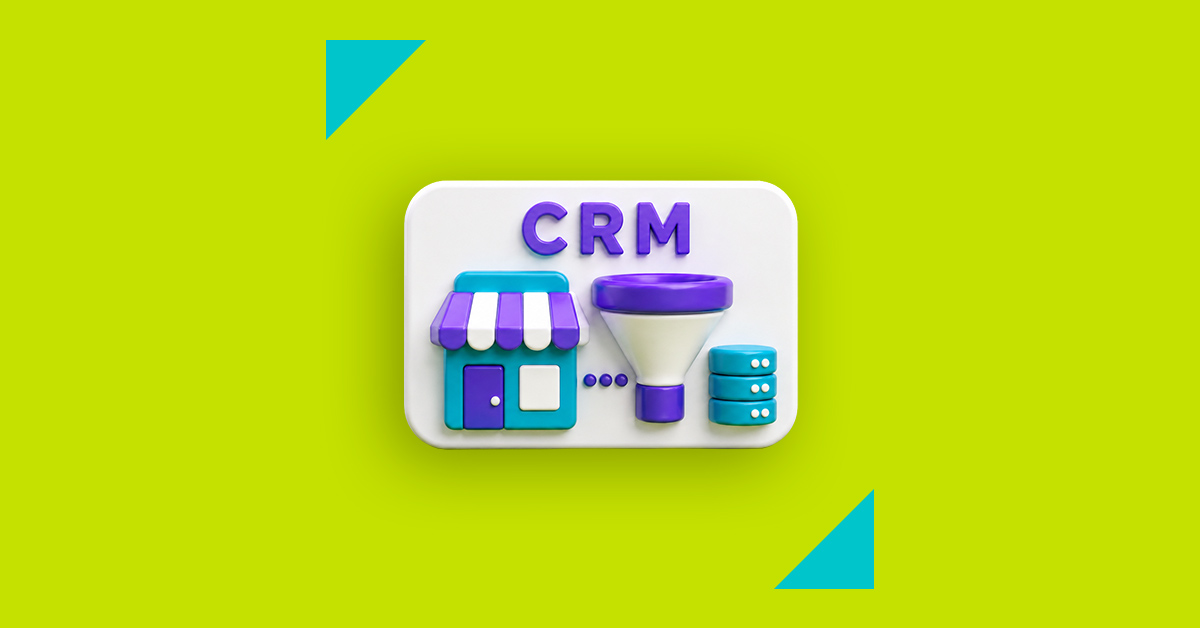
A Customer Relationship Management (CRM) system solves this problem by bringing customer information into one central platform. It gives every department access to the same information, which improves customer experience and protects revenue that could otherwise be lost through poor processes.
Choosing the Right CRM for a South African Business
Not every CRM suits every business. To find the best CRM for your business, you must start by having a clear idea of the problem you are solving. The best choice depends on company size, sales process, industry, and future growth plans.
Small businesses often benefit from platforms that offer:
- Easy implementation.
- Affordable monthly pricing.
- Mobile access.
- E-mail integration.
- Basic reporting.
Larger organisations usually require:
- Advanced workflow automation.
- Custom reporting.
- Multi-department collaboration.
- API integration.
- Permission management.
- Forecasting tools.
Businesses should also consider local support availability, data security, user training, and integration with existing business software before making a decision.
The cheapest CRM often becomes the most expensive if employees refuse to use it because it complicates daily work.
CRM Tools Businesses Use in South Africa
Choosing a CRM is not about finding the platform with the longest list of features. It is about selecting software that matches your sales process, integrates with the tools you already use, and can support your business as it grows. South African businesses have access to global CRM platforms, and many businesses opt for these tools because they are tried and tested, each with strengths depending on company size, industry, and budget.
Salesforce
Salesforce is widely regarded as the market leader in enterprise CRM software. It is designed for medium to large businesses that require advanced automation, reporting, artificial intelligence, and integrations across sales, marketing, customer service, and commerce.
The platform is particularly well suited to organisations with complex sales cycles, multiple departments, or large customer databases. While Salesforce offers extensive customisation, businesses should be prepared for a longer implementation process and higher costs than simpler CRM platforms.
HubSpot CRM
HubSpot is popular among South African SMEs. This software combines CRM, marketing, sales, and customer service in a single platform. Its free version provides enough functionality for many small businesses, while paid plans add marketing automation, reporting, and advanced sales features.
HubSpot is often a strong choice for businesses that generate leads through content marketing, SEO, or digital advertising because it connects website activity directly with the sales pipeline.
Zoho CRM
Zoho has become a favourite among growing businesses looking for enterprise features without enterprise pricing. The platform offers workflow automation, lead management, sales forecasting, customer segmentation, and artificial intelligence through Zia, its built-in AI assistant.
Zoho also integrates with the wider Zoho business suite, making it attractive for companies that want accounting, project management, e-mail, and CRM within one ecosystem.
Microsoft Dynamics 365
Businesses already using Microsoft 365 often choose Microsoft Dynamics 365 because it integrates naturally with Outlook, Teams, Excel, and Power BI. This makes it particularly valuable for organisations that rely heavily on Microsoft products and need CRM data to flow across multiple business systems.
Dynamics 365 is commonly used by larger organisations with more advanced reporting and operational requirements.
Pipedrive
Pipedrive focuses on sales pipeline management. Rather than overwhelming users with hundreds of features, it provides a visual way to track deals from the first enquiry through to closing.
For businesses with small sales teams, Pipedrive is often easier to implement and adopt than larger enterprise platforms. It is especially useful for professional services firms, consultancies, and B2B businesses where relationship management is central to winning new clients.
Freshsales
Developed by Freshworks, Freshsales combines CRM functionality with built-in communication tools, automation, and AI-powered lead scoring. Businesses that handle high volumes of customer enquiries often benefit from its ability to bring e-mails, phone calls, and customer interactions into one place.
SAGE CRM
Many South African businesses already use Sage for accounting and payroll. Sage CRM can therefore be a practical option for organisations that want customer information connected with financial data. This integration provides greater visibility into customer profitability, outstanding invoices, and purchasing history, giving sales teams more context during customer interactions.
Why CRM Matters More Than Ever
Customer acquisition costs continue to rise across digital marketing channels. Businesses cannot afford to spend thousands of rand generating leads only to lose them because follow-ups are inconsistent.
According to research from Salesforce, CRM systems help businesses improve customer satisfaction, increase productivity, and create better visibility across the customer journey. At the same time, HubSpot reports that organised customer data helps sales teams prioritise high-value opportunities instead of chasing every lead equally. These improvements directly affect revenue because they reduce missed opportunities while improving customer retention.
For South African businesses facing rising operating costs and tighter consumer spending, protecting existing revenue is often more profitable than constantly finding new customers.
How Businesses Lose Revenue Without a CRM
Many companies assume lost revenue only happens when customers choose a competitor. In reality, revenue often disappears because of internal process failures.
Common examples include:
- Website enquiries that never receive a response.
- Sales representatives forgetting to follow up after meetings.
- Existing customers leaving because nobody contacted them after purchase.
- Duplicating customer records creates inaccurate reports.
- Marketing campaigns targeting people who already bought the product.
- Sales managers having no visibility into the pipeline.
- These problems become more expensive as the business grows.
Imagine a company receiving 300 enquiries each month. If only 10% of those leads receive no follow-up, that means 30 potential customers disappear before anyone attempts to close the sale. Even a modest conversion value can translate into hundreds of thousands of rand in lost annual revenue.
The business may blame marketing for poor lead quality when the real issue lies in lead management.
Customer Retention Often Delivers Better Returns Than Customer Acquisition
Winning a new customer usually costs more than keeping an existing one. CRM systems improve retention by making customer engagement proactive rather than reactive. Businesses can schedule renewal reminders, identify customers who have stopped purchasing, monitor contract expiry dates, and track support history.
These actions reduce customer churn before it becomes visible in monthly revenue reports. Many businesses only realise a customer has left after several months of inactivity.
Integration Is Where CRM Delivers Its Biggest Value
Many companies evaluate CRM software by comparing dashboards and reporting features. The bigger advantage often comes from integration.
Modern CRM platforms connect with:
- Accounting software.
- E-mail marketing platforms.
- WhatsApp communication tools.
- E-commerce websites.
- Customer support software.
- Online booking systems.
- Payment gateways.
This creates a connected business environment where information moves automatically between systems. For example, once an invoice is paid, the CRM can automatically update the customer record, notify the account manager, trigger an onboarding e-mail, and schedule a follow-up call. Without integration, business teams perform each of these tasks manually.
Why CRM Adoption Often Fails
CRM failure commonly occurs due to poor adaptation. Many businesses install CRM software but never change internal processes. CRM failure costs businesses billions annually and remains one of the biggest enterprise software challenges.
Employees can get frustrated due to the complexity of tool adaptation without adequate training and support. Successful CRM adoption starts with leadership. Management must make the CRM the single source of customer information.
If sales forecasts, meetings, performance reviews, and reporting all depend on CRM data, employees naturally begin maintaining accurate records. Training your teams must be a priority. Staff members should understand how the CRM makes their work easier rather than viewing it as another reporting requirement.
AI Is Changing Modern CRM Systems
Artificial intelligence is rapidly becoming part of everyday CRM software. Instead of simply storing customer information, modern systems now analyse behaviour patterns, recommend follow-up actions, summarise meetings, predict customer churn, and identify high-value sales opportunities.
These capabilities help businesses prioritise work based on commercial value rather than intuition. For example, AI can identify customers showing buying signals based on previous interactions, website visits, email engagement, or purchasing history.
Sales teams can then focus attention where conversion likelihood is highest. For South African businesses managing lean teams, this creates productivity gains without increasing headcount.