
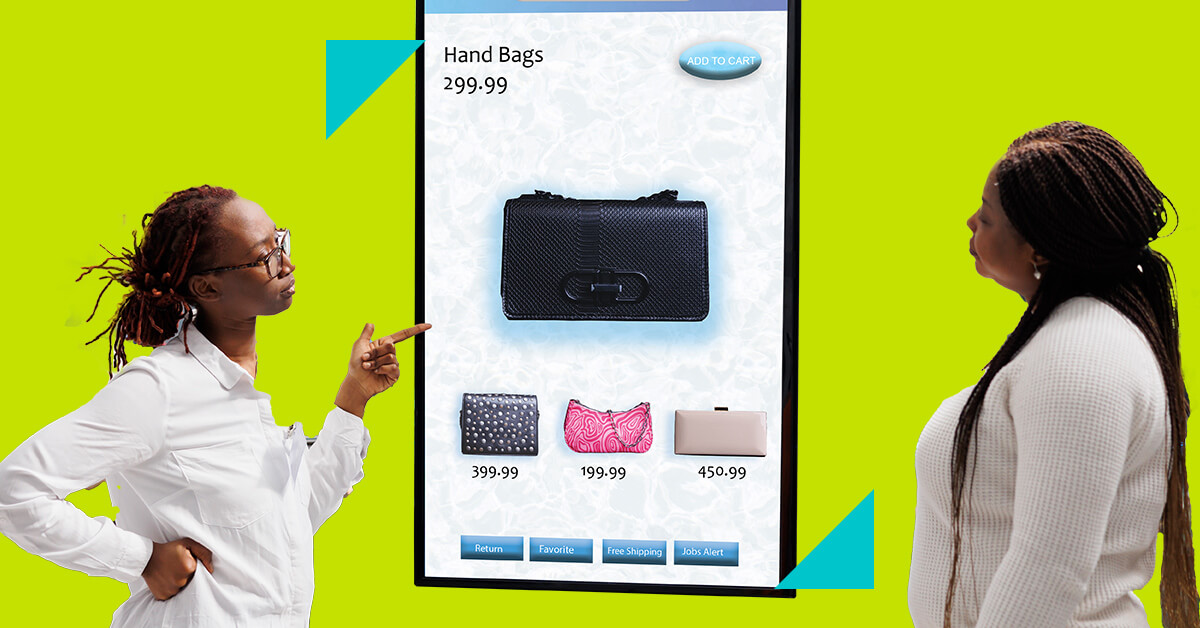
Retail media networks (RMNs) have rapidly transformed the digital advertising landscape. As e-commerce continues to surge, retailers are leveraging their platforms to offer brands new avenues for advertising, bridging the gap between online and in-store experiences. This guide provides an in-depth look at RMNs, their strategies, and how they are shaping the future of advertising in the retail space.
What is a Retail Media Network (RMN)?
A Retail Media Network (RMN) is a digital ecosystem where retailers provide ad space on their online and physical platforms to brands and advertisers. It’s essentially a network of media opportunities, including websites, apps, in-store digital screens, and other customer touchpoints. Retailers like Amazon, Walmart, and Target are prime examples of companies using their digital and physical assets to create RMNs that allow brands to engage with consumers in a targeted manner.
By using RMNs, brands can access valuable first-party data from retailers, enabling them to deliver personalized advertising experiences to consumers. This targeted approach enhances the likelihood of conversion, making RMNs an increasingly popular choice for advertisers.
How Do RMNs Work?
Retailers in South Africa use their first-party customer data—such as purchase history, browsing behaviour, and demographic information—to help your brand connect with the right audience at the optimal moment. This data is collected when customers share their information with retailers in exchange for personalized experiences, loyalty rewards, convenience, and improved customer service.
When you partner with a Retail Media Network (RMN), you choose where your ads are displayed—whether on the retailer’s website, mobile app or in-store. You also control the ads you want to run, such as sponsored product listings or banner ads.
The retail media platform uses the retailer’s first-party data to target your ads to the right customers, ensuring maximum relevance and engagement. Additionally, you receive detailed reports on ad performance and sales results. In exchange, the retailer earns a portion of your advertising spend.
The 3 Types of Retail Media Advertising
1. On-Site Advertising
These ads are displayed on the retailer’s website or mobile app. A local example would be Takealot’s sponsored product listings or banner ads. These ads target users based on their search behaviour, browsing patterns, and purchase history.
For instance, a sponsored product listing for “kettles” on Takealot may appear at the top of search results, ensuring that your product gets prime visibility to users actively looking for similar items. Sponsored listings and display ads are a powerful way to capture customer interest at the point of search.

2. Off-Site Advertising
Off-site advertising involves retailers using their customer data to target ads beyond their own platforms. This can include third-party websites, social media, or other digital channels.
For example, retailers like Checkers might use their data to serve ads on platforms such as Facebook, YouTube, or local news websites. By leveraging the insights gained from customer behaviour, these off-site ads reach potential customers with a high degree of relevance, even when they are browsing outside of the retailer’s own ecosystem.

3. In-Store Advertising
For retailers with physical stores, RMNs can also extend to in-store marketing. This might include digital displays, signage, or strategic product placements within the store. For instance, Shoprite could offer digital screens at checkout points or in key aisles, where brands can advertise their products directly to shoppers as they make purchase decisions.
Additionally, brands could participate in in-store activations like product demos, allowing for a personalized, interactive, and engaging advertising experience that connects with customers. This effectively bridges digital advertising efforts with physical store engagement, creating a cohesive and impactful shopping experience.

Types of Retail Media Ads in South Africa
Retail media offers various ad formats to engage target consumers wherever they shop, whether online or in-store. Below are some of the most effective retail media ad types available for South African retailers and brands.
1. Display Ads
Display ads are banner advertisements placed on different sections of a website. They can include images, banners, text, or interactive elements designed to catch attention, promote your brand, and direct users to your online store.
On local e-commerce platforms like Takealot, display ads appear on homepages and category pages, allowing brands to reach a large audience and build brand awareness. These ads are ideal for promoting new products or special deals.
For instance, a men’s apparel brand in South Africa might partner with popular local fashion blogs or lifestyle websites like MenStuff to display banner ads that encourage readers to click through to their online store for more information or to make a purchase.
2. Sponsored Product Listings
Sponsored product listings are cost-per-click (CPC) ads that appear in search results or on category pages within online marketplaces like Takealot or Bidorbuy. These ads position a seller’s product prominently above organic listings, increasing visibility and driving traffic to the sponsored product’s page.
For example, a brand selling skincare products could sponsor its listings for keywords like “moisturiser” or “sunscreen” on Takealot, ensuring their products appear at the top of relevant search results. This increased visibility helps drive sales and boosts the brand’s exposure.
3. Video Ads
Video ads are short clips displayed on websites, social media platforms, or streaming services, providing an engaging way to showcase products. These ads can play before, during, or after the main video content and are designed to tell a compelling story that captures attention and promotes product awareness.
Local brands can use video ads on platforms like YouTube South Africa, TikTok, or Facebook to engage viewers and promote products with high-impact visuals. For instance, a brand like Mr Price could feature video ads demonstrating their latest clothing collections, encouraging viewers to explore and purchase items directly from their online store.
4. In-Store Digital Ads
In-store digital ads are dynamic displays located throughout physical retail stores, delivering targeted messages to customers as they shop. These ads engage shoppers at key points in their buying journey, such as in aisles, at checkouts, or near promotional displays.
In South Africa, stores like Checkers and Shoprite use digital signage in-store to promote specials, highlight new arrivals, or engage customers with loyalty program offers. As local stores increasingly integrate digital technology, these displays appear on checkout screens, in-store TV screens, and shelf-mounted displays, ensuring that brands can connect with customers at multiple touchpoints.
5. Interactive Kiosks
Interactive kiosks are touchscreen devices placed in retail locations that allow customers to browse products, get more information, and place orders directly from the kiosk. These kiosks are becoming more common in South African retail environments, especially in large malls and chain stores.
For instance, Pick n Pay has implemented self-service kiosks where customers can check prices, access product information, or place orders for home delivery. Brands can use these kiosks to promote specific products, show detailed videos or images, and offer special deals or discounts directly to in-store shoppers, enhancing the customer experience and driving sales.
6. Social Media Ads
Social media ads utilise platforms like Facebook, Instagram, and Twitter to reach specific demographics with customised advertising content. South African brands often use these platforms to create targeted campaigns that align with the interests and behaviours of their local audience.
For example, a South African fashion brand like Woolworths might run Instagram ads that appear in users’ feeds or stories, showcasing their latest clothing collections. These ads are designed to be visually appealing and direct users to the brand’s website or store for further engagement. By using social media’s detailed targeting features, brands can reach precise demographics and ensure their ads resonate with the intended audience.
Social media ads are particularly effective in South Africa, where platforms like Facebook and Instagram boast millions of active users, offering brands an opportunity to engage and convert customers through compelling, tailored content.
Retail Media Strategies
Retailer Partnerships and Collaborations
Retailer partnerships and collaborations are central to the success of retail media strategies. By working together, brands and retailers can leverage each other’s strengths to create impactful marketing campaigns that reach the right audience. These partnerships often involve exclusive product launches, in-store promotions, and co-branded marketing efforts.
Examples of successful retailer collaborations include exclusive launches where retailers partner with brands to introduce new products. These campaigns can utilize the retailer’s in-store and online ad spaces to create a cohesive marketing strategy, driving traffic and sales for both parties involved.
The Benefits of Retail Partnerships
Exposure to a New Audience
Getting your products noticed isn’t easy, especially in an oversaturated online marketing environment. Drawing foot traffic to your store can be equally challenging. However, partnering with other retailers opens the door to reaching their loyal customer base and expanding your brand’s reach.
Take inspiration from local and international brands that partner with popular stores to gain visibility. For example, if a local South African activewear brand partners with well-established retailers like Woolworths or Pick n Pay Clothing, it can tap into its loyal customer base. This enhances exposure to help drive sales.
Partnership strategies can experience significant customer growth through increased exposure. Research shows that nearly half of retailers report revenue growth due to their partnership programs.
Shared Resources
“I don’t have time to do everything!” could easily be the motto of any retailer in South Africa. Balancing marketing, product development, and customer service is a challenge, especially when working with limited resources—both financially and in terms of time.
Retail partnerships can help alleviate these constraints. By partnering together retailers can share resources like staff and marketing campaigns. For example, two brands can collaborate on a shared advertising campaign, cutting costs and saving time for both parties.
It’s a win-win situation. Both retailers get to focus more on their core strengths while benefiting from shared resources that reduce the pressure of limited time and budgets.
Category or Product Expansion
Launching new products or entering a new category can be daunting, particularly for smaller South African retailers. Retail partnerships offer the perfect opportunity to introduce new products with a bang, tapping into existing customer bases of established partners to gain traction.
For example, if a local skincare brand is launching a new makeup line, partnering with major department stores like Edgars or Foschini could provide the visibility needed to stand out against established players in the market. By leveraging the established customer loyalty of these retailers, you can build excitement around your new product line and ensure it reaches a broad audience.
Build Customer Loyalty
Loyal customers are the lifeblood of any successful retail brand. The more often a customer returns to purchase your products—whether they started as your customer or were introduced to your brand through a partner—the more revenue you generate. It’s also more cost-effective to retain an existing customer over investing in new customers.
Retail partnerships are an excellent way to drive customer loyalty. When your products are readily available in multiple locations or platforms, they become top-of-mind for consumers, prompting repeat purchases. For instance, if a customer finds your product in one of their favourite retail stores and has a positive experience, they are more likely to become a repeat buyer and even recommend your brand to friends and family.
It’s no surprise that retailers reported increases in customer retention through their partnership programs. The same percentage also believe these collaborations enhance customer experiences, making their brand more appealing and accessible.
By forming strategic retail partnerships in South Africa, you can tap into new audiences, share resources effectively, expand product categories, and build lasting customer loyalty—all key factors for growing and sustaining a successful retail business.
Strategies for Successful Retail Media Partnerships
Creating effective retail media partnerships involves several strategies, including:
- Collaborative Marketing: Brands and retailers work together on joint campaigns, leveraging the retailer’s media assets, such as website banners, mobile app ads, and in-store digital signage, to maximize reach.
- Brand Partnerships: Retailers team up with well-known brands for co-branded initiatives, which can attract a larger audience by combining their marketing efforts.
- Media Monetization: Retailers monetize their digital assets by offering ad space to brands. This is often done through self-serve ad platforms where brands can purchase and manage ads directly, providing retailers with a new revenue stream.
Retail Media Platforms
Self-Serve Ad Platforms
Self-serve ad platforms empower brands to manage their campaigns autonomously within the retailer’s ecosystem. These platforms provide tools for brands to create, monitor, and optimize their ads based on real-time performance data. Such platforms are particularly beneficial as they allow brands to fine-tune their strategies, targeting specific consumer segments and ensuring ad spend efficiency.
What Are the Best Retail Media Networks in South Africa?
Now that you’re familiar with the benefits and formats of retail media, let’s explore some of the top retail media networks in South Africa.
Takealot Media Group
Takealot Media Group is South Africa’s leading retail media network, leveraging the country’s largest online shopping platform. With millions of customers visiting Takealot’s website and app every month, brands can tap into a highly engaged audience through sponsored product listings, display ads, and promotional banners.
Takealot’s first-party data provides valuable insights into customer behaviour, allowing for targeted advertising that reaches the right audience. Its partnerships with brands across various categories ensure that businesses can maximise their visibility and impact on one of the most trusted e-commerce platforms in South Africa.
Makro & Game (Massmart Group)
Makro and Game, part of the Massmart Group, offer a comprehensive retail media network that integrates online and in-store advertising. Brands can use their platforms to promote products through digital ads on the website, mobile app promotions, and in-store digital displays.
With Makro and Game’s widespread physical presence, brands can engage with customers online and offline, providing an omnichannel advertising approach. These networks utilise a customer loyalty program, such as Makro’s MCard, to gather valuable data, helping brands tailor their campaigns to specific customer segments.
Pick n Pay’s Smart Shopper Media
Pick n Pay’s Smart Shopper Media leverages South Africa’s most popular loyalty program, the Smart Shopper card, to help brands reach a highly engaged audience. With access to first-party data from millions of Smart Shoppers, brands can create targeted campaigns that drive both in-store and online conversions.
The network offers a range of advertising options, including digital display ads on the Pick n Pay website and app, in-store digital signage, and targeted promotions sent directly to Smart Shopper members. Pick n Pay’s robust fulfilment and delivery network also ensures that brands can provide a seamless shopping experience, whether customers are purchasing online or in-store.
Amazon Ads
Although not locally based in South Africa, Amazon Ads is a powerful retail media network that global brands with a presence in South Africa can leverage. As a dominant force in retail media globally, Amazon Ads offers a variety of advertising options, including sponsored products, brand displays, and dynamic ads that help brands connect with millions of consumers.
With its vast first-party data, Amazon empowers brands to target specific customer segments based on their browsing habits, purchase history, and more. Even if you operate a South African business but aim to expand globally, Amazon Ads can provide the reach and data-driven targeting to achieve your business goals.
Shoprite Group Media Network
Shoprite Group, Africa’s largest grocery retailer, offers a robust retail media network that combines its vast physical store footprint with its growing digital presence. With its well-established brands such as Checkers and Shoprite, the Shoprite Group provides brands with numerous advertising opportunities that reach millions of customers across the country.
Shoprite’s media network includes in-store advertising solutions like digital screens at checkout points, product displays, and promotional events. For digital engagement, the group leverages its e-commerce platform (Checkers Sixty60) and the Checkers app, where brands can run targeted ads based on first-party data gathered through their loyalty program, Xtra Savings. This program offers brands deep insights into customer shopping behaviours, enabling them to create precise, targeted campaigns.
By partnering with the Shoprite Group’s media network, brands can seamlessly integrate digital and in-store strategies, ensuring that marketing efforts reach a broad and engaged audience.
Woolworths Digital Media
Woolworths South Africa has built a strong retail media network that integrates its digital presence with its extensive physical store network. Through Woolworths Digital Media, brands can leverage first-party data to create effective campaigns across multiple platforms, including their website, mobile app, and in-store digital displays.
By leveraging the loyalty program (WRewards) and customer purchase data, Woolworths offers brands the ability to target high-value customers. Woolworths’ focus on premium products and customer experience allows brands to align with a reputable and trusted retailer, enhancing their visibility in South Africa’s competitive retail landscape.
Data Privacy in Retail Media
Retail Media Privacy Compliance Tips
Data privacy is a critical concern in retail media, especially as regulations around consumer data continue to evolve. Retailers and brands must ensure compliance with data privacy laws like POPIA (Protection of Personal Information Act) in South Africa and GDPR (General Data Protection Regulation) in Europe.
Key privacy compliance tips include:
- Data Governance: Implementing robust data-governance frameworks to manage and protect customer information.
- Consumer Consent Management: Ensuring transparent consent processes, allowing consumers to control how their data is collected and used.
- Regulatory Compliance: Adhering to local and international data privacy laws to build consumer trust and avoid legal repercussions.
IAB South Africa provides guidelines and compliance tips for data privacy in retail and digital advertising.
Retail Media and Omnichannel Advertising
Cross-Channel Marketing
Best Practices for Cross-Channel Marketing in Retail
Cross-channel marketing involves integrating various digital and physical touchpoints to create a seamless consumer experience. Best practices include:
- Multi-Touch Attribution: Tracking consumer interactions across different channels helps understand the impact of each touchpoint on the overall sales journey.
- Digital Transformation: Retailers must invest in technologies that unify customer data and streamline the consumer journey across platforms.
- Consumer Journey Mapping: Developing detailed maps of customer interactions allows retailers and brands to optimize touchpoints and increase conversions.
Cross-Channel Attribution
Cross-channel attribution is essential for understanding how various marketing efforts contribute to a consumer’s final purchase. By utilizing advanced attribution models, brands can gain insights into the effectiveness of each channel and adjust their strategies accordingly to maximize ROI.
Omnichannel Strategies for Retail Media
Personalization Strategies
Personalization is a cornerstone of successful omnichannel advertising. By using customer data, brands can tailor their messaging and offers based on individual preferences and behaviors.
How to Implement Omnichannel Personalization Strategies
To implement effective omnichannel personalization strategies:
- AI-Driven Personalization: Leveraging artificial intelligence (AI) to analyze customer behaviour and predict future actions, allowing brands to deliver personalized recommendations.
- CRM Integration: Integrating Customer Relationship Management (CRM) systems with retail media platforms ensures all data is centralized and accessible for targeted campaigns.
- Customer Segmentation: Dividing customers into segments based on demographics, purchase history, and behaviour helps tailor marketing messages to each group, increasing engagement.
Digital Signage & Ad Integration
In-Store Ads
In-store are powerful tools for retailers, providing real-time engagement opportunities. These ads can highlight promotions, showcase new products, or encourage impulse purchases.
How to Integrate In-Store Digital Signage with Online Campaigns
To effectively integrate digital signage with online campaigns:
- Dynamic Content: Utilize dynamic content that updates based on time, location, or consumer behavior, ensuring that messages remain relevant.
- Point-of-Sale (POS) Integration: Connect in-store ads with POS systems to track purchases and gauge ad effectiveness.
- Mobile Engagement: Encourage mobile interactions through QR codes or app integration, linking in-store experiences with digital campaigns.
Retail Media Measurement and Analytics
Conversion Rate Optimization (CRO)
Conversion rate optimization (CRO) focuses on increasing the percentage of users who complete a desired action, such as making a purchase. In retail media, this involves testing different ad formats, messaging, and placements to determine the most effective combination.
Retail Media Metrics
Sales Lift Analysis
How to Calculate Sales Lift in Retail Media Campaigns
Sales lift analysis measures the impact of advertising campaigns on sales. It involves comparing sales during the campaign period with a control period with no advertising. Key Sales Lift Analysis metrics include:
Incremental Revenue: Calculating additional revenue generated from the campaign.
Test and Control Analysis: Setting up control groups to compare the effects of the campaign.
Campaign ROI: Analyzing the return on investment to determine campaign profitability.